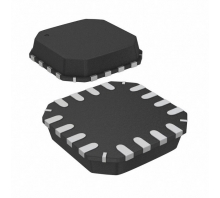
Analog Devices Inc. AD8295BCPZ-R7

Mfr.Part #:

AD8295BCPZ-R7

Manufacturer:

Description:
IC OPAMP INSTR 1MHZ 16LFCSP

RoHS Status:

RoHS

Datasheet:

Quantity:

- +
Total Price: $8.54

Payment:

Payment

Delivery:

Delivery

Pricing

( In US Dollars )
Quantity
Unit Price
Ext Price

Quick Request Quote

Do you want a lower wholesale price? Please send us an inquiry, and we will respond immediately.

Latest Posts

An electronic ballast safely start and maintain stable light output by managing electrical current....
The battery SR626SW is a small, round silver oxide button cell battery. It is
The A1015 transistor is a PNP bipolar junction transistor (BJT) commonly used in low-power...
A coupling capacitor is a special type of capacitor strategically placed between two stages...
Security

Buy With Confidence

ISO 9001
ISO 9001
ISO 45001
ISO 45001
ISO 13485
ISO 13485
ISO 14001
ISO 14001
SMTA
ASA

Specifications

Product Details

Product Comparison

Factory Lead Time
12 Weeks
Lifecycle Status
PRODUCTION (Last Updated: 4 months ago)
Contact Plating
Tin
Mount
Surface Mount
Mounting Type

Mounting Type refers to the method by which an electronic component is attached to a printed circuit board (PCB) or other surface. Common mounting types include: * Through-hole: Component leads are inserted into holes in the PCB and soldered on the other side. * Surface-mount: Component is placed on the surface of the PCB and soldered in place. * Press-fit: Component is pressed into place on the PCB without soldering. * Socket: Component is inserted into a socket on the PCB, allowing for easy replacement. The mounting type is determined by factors such as the component's size, shape, and power requirements.

Surface Mount
Package / Case

Package / Case refers to the physical housing or enclosure that encapsulates an electronic component. It provides protection, facilitates handling, and enables electrical connections. The package type determines the component's size, shape, pin configuration, and mounting options. Common package types include DIP (dual in-line package), SOIC (small outline integrated circuit), and BGA (ball grid array). The package also influences the component's thermal and electrical performance.

16-VQFN, CSP
Number of Pins

Number of Pins: Indicates the number of electrical connections available on the component. These pins are used to connect the component to other components or circuits on a printed circuit board (PCB). The number of pins determines the functionality and connectivity options of the component. It is important to ensure that the component has the correct number of pins for the intended application.

16
Operating Temperature

Operating Temperature is the range of temperatures at which an electronic component can function properly. It is typically specified in degrees Celsius (°C) and indicates the minimum and maximum temperatures at which the component can operate without experiencing damage or degradation. Operating Temperature is an important parameter to consider when designing electronic circuits, as it ensures that the components will function reliably in the intended operating environment.

-40°C~85°C
Packaging
Tape & Reel (TR)
JESD-609 Code
e3
Pbfree Code
no
Part Status

Part Status is an electronic component parameter that indicates the availability and production status of a component. It is typically used to inform customers about the availability of a component, whether it is in production, end-of-life, or obsolete. Part Status can also provide information about any restrictions or limitations on the component's use, such as whether it is only available for certain applications or if it has been discontinued.

Active
Moisture Sensitivity Level (MSL)

Moisture Sensitivity Level (MSL) is a measure of the susceptibility of a surface mount electronic component to moisture-induced damage during soldering. It is classified into six levels, from 1 (least sensitive) to 6 (most sensitive). MSL is determined by the materials used in the component's construction, including the solderability of its terminals and the presence of moisture-absorbing materials. Components with higher MSL ratings require more stringent handling and storage conditions to prevent moisture absorption and subsequent damage during soldering.

3 (168 Hours)
Number of Terminations
16
ECCN Code
EAR99
Resistance

Resistance is a measure of the opposition to the flow of electric current in a conductor. It is measured in ohms (Ω). The higher the resistance, the more difficult it is for current to flow. Resistance is caused by the collisions of electrons with atoms and molecules in the conductor. The more collisions that occur, the higher the resistance.

100GOhm
Terminal Position
QUAD
Terminal Form
NO LEAD
Peak Reflow Temperature (Cel)
260
Number of Functions
1
Supply Voltage

Supply Voltage is the voltage required to power an electronic component. It is typically measured in volts (V) and is specified in the component's datasheet. The supply voltage must be within the specified range for the component to function properly. If the supply voltage is too low, the component may not function at all. If the supply voltage is too high, the component may be damaged.

15V
Terminal Pitch
0.65mm
Reflow Temperature-Max (s)
NOT SPECIFIED
Base Part Number
AD8295
Pin Count
16
Qualification Status
Not Qualified
Operating Supply Voltage
36V
Number of Channels

Number of Channels refers to the number of independent signal paths within an electronic component. It indicates how many separate signals can be processed or transmitted simultaneously. For example, an audio amplifier with two channels can amplify two separate audio signals, while a multi-channel data converter can convert multiple analog signals into digital data. The number of channels is a crucial parameter for determining the component's functionality and application.

1
Number of Circuits

Number of Circuits refers to the number of independent signal paths within an electronic component. It indicates how many separate circuits or channels the component can handle simultaneously. For example, an operational amplifier with a Number of Circuits of 2 can amplify two separate input signals independently. This parameter is crucial for determining the component's functionality and its suitability for specific applications.

3
Operating Supply Current

Operating Supply Current is the amount of current drawn by an electronic component when it is operating under normal conditions. It is typically measured in milliamps (mA) or microamps (µA). The operating supply current is important because it can affect the power consumption of the component and the overall system. A higher operating supply current will result in higher power consumption, which can lead to overheating and reduced battery life.

2.3mA
Nominal Supply Current
2.3mA
Slew Rate

Slew rate is a measure of how quickly an electronic component's output voltage can change in response to a change in its input voltage. It is typically expressed in volts per microsecond (V/µs). A higher slew rate indicates that the component can respond more quickly to changes in its input voltage, which can be important in applications where fast signal processing is required.

2V/μs
Amplifier Type

Amplifier Type refers to the classification of amplifiers based on their circuit configuration and the type of transistors or other active devices used.

Instrumentation
Common Mode Rejection Ratio
140 dB
Current - Input Bias
200pA
Voltage - Supply, Single/Dual (±)
4.6V~36V ±2.3V~18V
Output Current per Channel
18mA
Input Offset Voltage (Vos)

Input Offset Voltage (Vos) is a parameter that specifies the voltage difference between the non-inverting and inverting inputs of an operational amplifier (op-amp) when the output voltage is zero. It represents the amount of voltage that must be applied to the inputs to bring the output to zero. Vos is caused by mismatches in the internal transistors of the op-amp and can vary with temperature and other factors. A low Vos is desirable for precision applications where accurate signal processing is required.

120μV
Bandwidth

Bandwidth, in the context of electronic components, refers to the range of frequencies over which a component can operate effectively. It is typically measured in Hertz (Hz) and indicates the component's ability to pass signals within a specific frequency range without significant attenuation or distortion. A higher bandwidth indicates a wider range of frequencies that the component can handle, while a lower bandwidth indicates a narrower range. Bandwidth is a crucial parameter for components such as amplifiers, filters, and communication systems, as it determines the frequency range over which they can perform their intended functions.

750 kHz
Gain Bandwidth Product
1MHz
Neg Supply Voltage-Nom (Vsup)
-15V
Voltage Gain
60dB
Voltage - Input Offset
60μV
3db Bandwidth

-3dB Bandwidth is a measure of the frequency range over which an electronic component or system maintains a specified level of performance. It is defined as the frequency at which the output power of the component or system has dropped by 3 decibels (dB) from its maximum value. The -3dB bandwidth is often used to characterize the frequency response of amplifiers, filters, and other electronic components.

1.2MHz
Input Offset Current-Max (IIO)
0.0006μA
Voltage Gain-Nom
10
Non-linearity-Max
0.002%
Length

Length, in the context of electronic components, refers to the physical dimension of a component along its longest axis. It is typically measured in millimeters (mm) or inches (in). Length is a crucial parameter for determining the physical size and space requirements of a component on a printed circuit board (PCB) or other assembly. It also affects the component's electrical characteristics, such as inductance and capacitance, which can be influenced by the length of conductors or traces within the component.

4mm
RoHS Status
ROHS3 Compliant
Lead Free
Contains Lead
Description
The AD8295 is a precision instrumentation amplifier with signal processing amplifiers. It includes a high-performance instrumentation amplifier, two general-purpose operational amplifiers, and two precisely matched 20 kΩ resistors. The AD8295 is designed for easy and efficient PCB routing, with a logical pin arrangement and no exposed metal pad on the back of the part. It offers simple pin-strapped solutions for complex systems in a compact 4 mm x 4 mm LFCSP package.

Features
Saves board space
Includes precision in-amp, 2 op amps, and 2 matched resistors
4 mm x 4 mm LFCSP
No heat slug for more routing room
Differential output fully specified
In-amp specifications
Gain set with 1 external resistor (gain range: 1 to 1000)
Input voltage noise: 8 nV/√Hz maximum at 1 kHz
CMRR (G=1): 90 dB minimum
Input bias current: 0.8 nA maximum
-3 dB bandwidth (G=1): 1.2 MHz
Slew rate: 2 V/µs
Wide power supply range: ±2.3 V to ±18 V
1 ppm/°C, 0.03% resistor matching

Applications
Industrial process controls
Wheatstone bridges
Precision data acquisition systems
Medical instrumentation
Strain gages
Transducer interfaces
Differential output
  • Image
    Part Number
    Manufacturer
    Factory Lead Time
    Lifecycle Status
    Contact Plating
    Mount
    Mounting Type
    Package / Case
    Number of Pins
    Operating Temperature
    Packaging
    JESD-609 Code
    Pbfree Code
    Part Status
    Moisture Sensitivity Level (MSL)
    Number of Terminations
    ECCN Code
    Resistance
    Terminal Position
    Terminal Form
    Peak Reflow Temperature (Cel)
    Number of Functions
    Supply Voltage
    Terminal Pitch
    Reflow Temperature-Max (s)
    Base Part Number
    Pin Count
    Qualification Status
    Operating Supply Voltage
    Number of Channels
    Number of Circuits
    Operating Supply Current
    Nominal Supply Current
    Slew Rate
    Amplifier Type
    Common Mode Rejection Ratio
    Current - Input Bias
    Voltage - Supply, Single/Dual (±)
    Output Current per Channel
    Input Offset Voltage (Vos)
    Bandwidth
    Gain Bandwidth Product
    Neg Supply Voltage-Nom (Vsup)
    Voltage Gain
    Voltage - Input Offset
    3db Bandwidth
    Input Offset Current-Max (IIO)
    Voltage Gain-Nom
    Non-linearity-Max
    Length
    RoHS Status
    Lead Free
    Supplier Device Package
    Current - Supply
    Current - Output / Channel
    Surface Mount
    Terminal Finish
    Subcategory
    Technology
    Reach Compliance Code
    Time@Peak Reflow Temperature-Max (s)
    Output Type
    Unity Gain BW-Nom
    Supply Voltage Limit-Max
    Height Seated (Max)
    View Compare
  • AD8295BCPZ-R7
    AD8295BCPZ-R7
    12 Weeks
    PRODUCTION (Last Updated: 4 months ago)
    Tin
    Surface Mount
    Surface Mount
    16-VQFN, CSP
    16
    -40°C~85°C
    Tape & Reel (TR)
    e3
    no
    Active
    3 (168 Hours)
    16
    EAR99
    100GOhm
    QUAD
    NO LEAD
    260
    1
    15V
    0.65mm
    NOT SPECIFIED
    AD8295
    16
    Not Qualified
    36V
    1
    3
    2.3mA
    2.3mA
    2V/μs
    Instrumentation
    140 dB
    200pA
    4.6V~36V ±2.3V~18V
    18mA
    120μV
    750 kHz
    1MHz
    -15V
    60dB
    60μV
    1.2MHz
    0.0006μA
    10
    0.002%
    4mm
    ROHS3 Compliant
    Contains Lead
    -
    -
    -
    -
    -
    -
    -
    -
    -
    -
    -
    -
    -
    -
  • AD8009AR-REEL7
    -
    -
    -
    -
    Surface Mount
    8-SOIC (0.154, 3.90mm Width)
    -
    -40°C~85°C
    Tape & Reel (TR)
    -
    -
    Obsolete
    1 (Unlimited)
    -
    -
    -
    -
    -
    -
    -
    -
    -
    -
    -
    -
    -
    -
    -
    1
    -
    -
    5500V/μs
    Current Feedback
    -
    50μA
    5V~12V ±2.5V~6V
    -
    -
    -
    -
    -
    -
    2mV
    1GHz
    -
    -
    -
    -
    Non-RoHS Compliant
    -
    8-SOIC
    16mA
    175mA
    -
    -
    -
    -
    -
    -
    -
    -
    -
    -
  • AD8044AR-14
    -
    -
    -
    -
    Surface Mount
    14-SOIC (0.154, 3.90mm Width)
    -
    -40°C~85°C
    Tube
    e0
    no
    Obsolete
    1 (Unlimited)
    14
    -
    -
    DUAL
    GULL WING
    240
    1
    5V
    1.27mm
    -
    -
    14
    -
    -
    -
    4
    -
    -
    190V/μs
    Voltage Feedback
    90 dB
    2μA
    3V~12V ±1.5V~6V
    -
    -
    -
    -
    -5V
    -
    1.4mV
    160MHz
    -
    -
    -
    8.65mm
    Non-RoHS Compliant
    -
    -
    11.5mA
    30mA
    YES
    TIN LEAD
    Operational Amplifier
    BIPOLAR
    unknown
    30
    Rail-to-Rail
    15000 kHz
    12.6V
    1.75mm

Recommended Offers

Cypress Semiconductor Corp
MB90F543GSPF-GS-BI24
Microchip Technology
PIC16C662-10E/P
SII Semiconductor Corporation
S-8337AAHA-T8T1G
SII Semiconductor Corporation
S-8333AABC-T8T1G
Texas Instruments
UCC25705DGKTR
SII Semiconductor Corporation
S-8333AAFA-T8T1G
SII Semiconductor Corporation
S-8338ABFB-P8T1G
SII Semiconductor Corporation
S-8338ACHB-T8T1G
SII Semiconductor Corporation
S-8337ABHA-T8T1G
SII Semiconductor Corporation
S-8337ABFC-P8T1G
SII Semiconductor Corporation
S-8337ABBA-T8T1G
SII Semiconductor Corporation
S-8333ABIA-T8T1G