Mounting Type
Mounting Type refers to the method by which an electronic component is attached to a printed circuit board (PCB) or other surface. Common mounting types include:
* Through-hole: Component leads are inserted into holes in the PCB and soldered on the other side.
* Surface-mount: Component is placed on the surface of the PCB and soldered in place.
* Press-fit: Component is pressed into place on the PCB without soldering.
* Socket: Component is inserted into a socket on the PCB, allowing for easy replacement.
The mounting type is determined by factors such as the component's size, shape, and power requirements.
Surface Mount
Insulation Material
Polyphenylene
Housing Material
Housing Material refers to the material used to construct the outer casing or enclosure of an electronic component.
Polyphenylene Sulfide (PPS)
Number of Positions or Pins (Grid)
28 (4 x 7)
Contact Material - Mating
Phosphor Bronze
Contact Material - Post
Phosphor Bronze
Operating Temperature
Operating Temperature is the range of temperatures at which an electronic component can function properly. It is typically specified in degrees Celsius (°C) and indicates the minimum and maximum temperatures at which the component can operate without experiencing damage or degradation. Operating Temperature is an important parameter to consider when designing electronic circuits, as it ensures that the components will function reliably in the intended operating environment.
-55°C~125°C
Part Status
Part Status is an electronic component parameter that indicates the availability and production status of a component. It is typically used to inform customers about the availability of a component, whether it is in production, end-of-life, or obsolete. Part Status can also provide information about any restrictions or limitations on the component's use, such as whether it is only available for certain applications or if it has been discontinued.
Obsolete
Moisture Sensitivity Level (MSL)
Moisture Sensitivity Level (MSL) is a measure of the susceptibility of a surface mount electronic component to moisture-induced damage during soldering. It is classified into six levels, from 1 (least sensitive) to 6 (most sensitive). MSL is determined by the materials used in the component's construction, including the solderability of its terminals and the presence of moisture-absorbing materials. Components with higher MSL ratings require more stringent handling and storage conditions to prevent moisture absorption and subsequent damage during soldering.
1 (Unlimited)
Termination
Termination refers to the electrical characteristics of a component or circuit at its input or output terminals. It describes how the component or circuit interacts with external signals or devices. Termination can involve matching impedance, providing voltage or current regulation, or filtering unwanted signals. Proper termination ensures efficient signal transfer, minimizes reflections, and prevents damage to components. It is crucial for maintaining signal integrity and optimizing circuit performance.
Solder
Additional Feature
STANDARD: UL 94V-0
Contact Finish - Mating
Tin
Orientation
Orientation refers to the physical alignment or position of an electronic component in relation to a reference point or axis. It specifies the direction in which the component should be mounted or installed to ensure proper functionality and performance. Orientation is crucial for components such as diodes, transistors, capacitors, and connectors, where the polarity or pinout must be correctly aligned to prevent damage or malfunction.
Straight
Current Rating
Current Rating is the maximum amount of current that an electronic component can safely handle without overheating or failing. It is typically expressed in amperes (A) or milliamperes (mA). Exceeding the current rating can damage the component and potentially create a safety hazard. The current rating is determined by the physical characteristics of the component, such as its size, material, and construction.
1A
Pitch - Mating
0.050 1.27mm
Number of Contacts
Number of Contacts refers to the number of electrical connections that a component has. It is a crucial parameter for connectors, switches, and other components that facilitate electrical connections. A higher number of contacts allows for more connections to be made, increasing the component's versatility and functionality. This parameter is essential for ensuring proper mating and electrical performance in electronic systems.
28
Contact Style
BELLOWED TYPE
Contact Resistance
Contact resistance is the electrical resistance between two electrical contacts. It is caused by the imperfect contact between the two surfaces, which results in a small amount of resistance to the flow of current. Contact resistance can be a significant factor in the performance of electrical circuits, especially in high-power applications. It can cause power loss, heating, and even damage to components.
20mOhm
Insulation Resistance
Insulation Resistance is a measure of the resistance of an insulating material to the flow of electric current. It is typically measured in megaohms (MΩ) or gigohms (GΩ). A high insulation resistance indicates that the material is a good insulator, while a low insulation resistance indicates that the material is a poor insulator. Insulation resistance is important for preventing electrical leakage and ensuring the safe operation of electrical equipment.
10GOhm
Dielectric Withstanding Voltage
600VAC V
Pitch - Post
0.050 1.27mm
Contact Configuration
7X7
Length
Length, in the context of electronic components, refers to the physical dimension of a component along its longest axis. It is typically measured in millimeters (mm) or inches (in). Length is a crucial parameter for determining the physical size and space requirements of a component on a printed circuit board (PCB) or other assembly. It also affects the component's electrical characteristics, such as inductance and capacitance, which can be influenced by the length of conductors or traces within the component.
17.78mm
Contact Finish Thickness - Mating
150.0μin 3.81μm
Contact Finish Thickness - Post
150.0μin 3.81μm
Material Flammability Rating
UL94 V-0
RoHS Status
RoHS Compliant
Flammability Rating
UL94 V-0
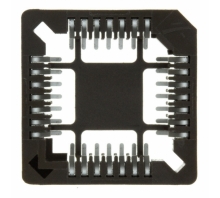
69802-128LF OverviewThis product is manufactured by Amphenol FCI and belongs to the category of Sockets for ICs, Transistors. The images we provide are for reference only, for detailed product information please see specification sheet 69802-128LF or the datasheet in PDF format. As a professional electronic components distributor, Zeano has five million electronic components available. Additionally, we have over 500,000 electronic components in stock ready for immediate shipment. If you have requirements, you can send us a quotation form to get the price of 69802-128LF. We attach great importance to our customers' purchasing experience and are willing to establish a long-term cooperative relationship with you. If you have any questions or requirements, please feel free to contact us.
69802-128LF More Descriptions
Conn PLCC Socket SKT 28 POS 1.27mm Solder ST SMD Tube
CONN SOCKET PLCC 28POS TIN
PLCC/PGA Sockets PLCC SMT 28P
510-51QF-SOCKETS PLCC