Factory Lead Time
12 Weeks
Contact Material
Contact Material refers to the material used to make the electrical contacts in a component. It determines the electrical conductivity, durability, and resistance to corrosion and wear of the contacts. Common contact materials include copper, silver, gold, and alloys of these metals. The choice of contact material depends on the specific application and the required performance characteristics.
Silver Tin Oxide (AgSnO)
Mounting Type
Mounting Type refers to the method by which an electronic component is attached to a printed circuit board (PCB) or other surface. Common mounting types include:
* Through-hole: Component leads are inserted into holes in the PCB and soldered on the other side.
* Surface-mount: Component is placed on the surface of the PCB and soldered in place.
* Press-fit: Component is pressed into place on the PCB without soldering.
* Socket: Component is inserted into a socket on the PCB, allowing for easy replacement.
The mounting type is determined by factors such as the component's size, shape, and power requirements.
Through Hole
Package / Case
Package / Case refers to the physical housing or enclosure that encapsulates an electronic component. It provides protection, facilitates handling, and enables electrical connections. The package type determines the component's size, shape, pin configuration, and mounting options. Common package types include DIP (dual in-line package), SOIC (small outline integrated circuit), and BGA (ball grid array). The package also influences the component's thermal and electrical performance.
DIP
Number of Pins
Number of Pins: Indicates the number of electrical connections available on the component. These pins are used to connect the component to other components or circuits on a printed circuit board (PCB). The number of pins determines the functionality and connectivity options of the component. It is important to ensure that the component has the correct number of pins for the intended application.
8
Operating Temperature
Operating Temperature is the range of temperatures at which an electronic component can function properly. It is typically specified in degrees Celsius (°C) and indicates the minimum and maximum temperatures at which the component can operate without experiencing damage or degradation. Operating Temperature is an important parameter to consider when designing electronic circuits, as it ensures that the components will function reliably in the intended operating environment.
-40°C~60°C
Series
Series, in the context of electronic components, refers to the arrangement of components in a circuit. When components are connected in series, they form a single path for current to flow through. The total resistance of a series circuit is the sum of the individual resistances of each component. Series connections are often used to control the flow of current in a circuit, as the total resistance can be adjusted by changing the number or type of components in the series.
ST
Part Status
Part Status is an electronic component parameter that indicates the availability and production status of a component. It is typically used to inform customers about the availability of a component, whether it is in production, end-of-life, or obsolete. Part Status can also provide information about any restrictions or limitations on the component's use, such as whether it is only available for certain applications or if it has been discontinued.
Active
Moisture Sensitivity Level (MSL)
Moisture Sensitivity Level (MSL) is a measure of the susceptibility of a surface mount electronic component to moisture-induced damage during soldering. It is classified into six levels, from 1 (least sensitive) to 6 (most sensitive). MSL is determined by the materials used in the component's construction, including the solderability of its terminals and the presence of moisture-absorbing materials. Components with higher MSL ratings require more stringent handling and storage conditions to prevent moisture absorption and subsequent damage during soldering.
1 (Unlimited)
Termination
Termination refers to the electrical characteristics of a component or circuit at its input or output terminals. It describes how the component or circuit interacts with external signals or devices. Termination can involve matching impedance, providing voltage or current regulation, or filtering unwanted signals. Proper termination ensures efficient signal transfer, minimizes reflections, and prevents damage to components. It is crucial for maintaining signal integrity and optimizing circuit performance.
PC Pin
Reference Standard
CSA; SEV; UL; VDE
Termination Style
Termination Style refers to the method used to connect an electronic component to a circuit board or other components. It describes the physical form and electrical characteristics of the connection point. Common termination styles include through-hole, surface mount, and press-fit. Through-hole components have leads that are inserted into holes on the circuit board and soldered in place. Surface mount components are soldered directly onto the surface of the circuit board. Press-fit components are inserted into holes on the circuit board and held in place by friction.
PC Pin
Body Length or Diameter
31mm
Physical Dimension
31mm x 14mm x 11.3mm
Contact Resistance
Contact resistance is the electrical resistance between two electrical contacts. It is caused by the imperfect contact between the two surfaces, which results in a small amount of resistance to the flow of current. Contact resistance can be a significant factor in the performance of electrical circuits, especially in high-power applications. It can cause power loss, heating, and even damage to components.
30mOhm
Insulation Resistance
Insulation Resistance is a measure of the resistance of an insulating material to the flow of electric current. It is typically measured in megaohms (MΩ) or gigohms (GΩ). A high insulation resistance indicates that the material is a good insulator, while a low insulation resistance indicates that the material is a poor insulator. Insulation resistance is important for preventing electrical leakage and ensuring the safe operation of electrical equipment.
1000000000Ohm
Contact Current(DC)-Max
8A
Max Voltage Rating (AC)
380V
Electrical Life
100000 Cycle(s)
Max Voltage Rating (DC)
250V
Contact Form
Contact Form refers to the physical shape and arrangement of the electrical contacts on an electronic component. It describes how the component connects to other components on a circuit board or other electrical system. Common contact forms include through-hole, surface mount, and pin headers. The contact form determines the method of mounting and soldering the component, as well as its compatibility with different types of circuit boards and connectors.
DPST-NO (2 Form A)
Relay Type
General Purpose
Contact Current(AC)-Max
8A
Coil Resistance
Coil Resistance is the electrical resistance of a coil, which is a type of electrical conductor wound into a spiral shape. It measures the opposition to the flow of electric current through the coil. The higher the coil resistance, the more difficult it is for current to flow through it. Coil resistance is typically measured in ohms (Ω) and is an important parameter for determining the electrical characteristics of a coil.
9kOhm
Coil Voltage
Coil Voltage refers to the voltage applied across the coil terminals of an electronic component, such as a relay, solenoid, or inductor. It determines the magnetic field strength generated by the coil and, consequently, the component's operation. Higher coil voltage typically results in a stronger magnetic field and increased force or inductance. The appropriate coil voltage for a specific component is crucial for its intended function and should be carefully selected based on the manufacturer's specifications.
48VDC
Coil Type
Latching, Dual Coil
Switching Voltage
Switching Voltage is the maximum voltage that a semiconductor switch, such as a transistor or MOSFET, can withstand in the off state without breaking down. It is a critical parameter for power electronics applications, as it determines the maximum voltage that can be applied to the switch without causing damage. The switching voltage is typically specified in volts (V) and is measured between the drain and source terminals of the switch.
380VAC 250VDC -Max
Coil Current
Coil Current is the amount of electrical current flowing through the coil of an inductor or electromagnet. It is measured in amperes (A) and is directly proportional to the magnetic field strength produced by the coil. The coil current is determined by the voltage applied to the coil and the resistance of the coil.
4.7mA
Release Time
Release time is the time it takes for a component to return to its original state after being triggered. It is typically measured in milliseconds (ms) or microseconds (µs). A shorter release time indicates that the component can respond more quickly to changes in its input signal. Release time is an important parameter for components such as switches, relays, and transistors.
10 ms
Must Operate Voltage
38.4VDC
Coil Power
Coil Power is a parameter that describes the power handling capability of an inductor. It is typically measured in watts (W) and represents the maximum amount of power that the inductor can dissipate without overheating or saturating. Coil Power is determined by the inductor's physical construction, including the core material, wire gauge, and number of turns. Inductors with higher Coil Power ratings can handle more current and dissipate more heat, making them suitable for use in high-power applications.
240mW
Contact/Output Supply Type
AC/DC
Coil/Input Supply Type
DC
Seal Rating
Sealed - Fully
Dielectric Strength Between Open Contacts
1200 Vrms
Input Switching Control Type
Random
Dielectric Strength Between Coil and Contacts
3750 Vrms
Contact (DC) Max Power Rating R Load
150W@250VDC
Length - Termination
0.0035 inch
RoHS Status
RoHS Compliant
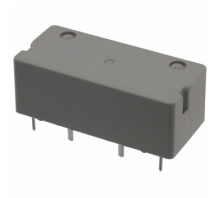
Images are for reference only.See Product Specifications for product details.If you are interested to buy Panasonic ST2-L2-DC48V-F,Just Email us.Sales@Zeanochip.comour sales team will reply you within 24 hours
ST2-L2-DC48V-F More Descriptions
Relay Power DPST 380VAC 48VDC PC Pins Through Hole Carton/Case
Energy Managment RelayST Relay | Panasonic Electronic Components ST2-L2-DC48V-F
Power Relay 48VDC 5DC/8AAC DPST-NO(31mm 14mm 11.3mm) THT