Factory Lead Time
9 Weeks
Contact Material
Contact Material refers to the material used to make the electrical contacts in a component. It determines the electrical conductivity, durability, and resistance to corrosion and wear of the contacts. Common contact materials include copper, silver, gold, and alloys of these metals. The choice of contact material depends on the specific application and the required performance characteristics.
Brass
Series
Series, in the context of electronic components, refers to the arrangement of components in a circuit. When components are connected in series, they form a single path for current to flow through. The total resistance of a series circuit is the sum of the individual resistances of each component. Series connections are often used to control the flow of current in a circuit, as the total resistance can be adjusted by changing the number or type of components in the series.
Trident T3P
Part Status
Part Status is an electronic component parameter that indicates the availability and production status of a component. It is typically used to inform customers about the availability of a component, whether it is in production, end-of-life, or obsolete. Part Status can also provide information about any restrictions or limitations on the component's use, such as whether it is only available for certain applications or if it has been discontinued.
Active
Moisture Sensitivity Level (MSL)
Moisture Sensitivity Level (MSL) is a measure of the susceptibility of a surface mount electronic component to moisture-induced damage during soldering. It is classified into six levels, from 1 (least sensitive) to 6 (most sensitive). MSL is determined by the materials used in the component's construction, including the solderability of its terminals and the presence of moisture-absorbing materials. Components with higher MSL ratings require more stringent handling and storage conditions to prevent moisture absorption and subsequent damage during soldering.
Not Applicable
Wire Gauge
Wire gauge is a measure of the thickness of a wire. It is typically expressed in American Wire Gauge (AWG), which is a logarithmic scale where a higher number indicates a thinner wire. The larger the wire gauge, the smaller the diameter of the wire. Wire gauge is important because it affects the current-carrying capacity and resistance of a wire. A thicker wire can carry more current and has less resistance than a thinner wire.
16 AWG
Contact Termination
Crimp
Rated Current
Rated Current is the maximum current that an electronic component can safely handle without exceeding its specified operating temperature or causing damage. It is typically expressed in amperes (A) and is determined by the component's design and materials. Exceeding the rated current can lead to overheating, reduced performance, or even component failure.
13A
Assembly Item Name
CONTACT
Contact Finish Thickness
30.0μin 0.76μm
RoHS Status
RoHS Compliant
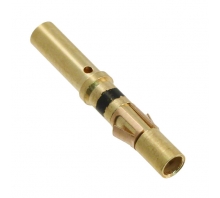
T3P16FC1LY Overview
This product is manufactured by ITT Cannon, LLC and belongs to the category of Contacts - Multi Purpose. The images we provide are for reference only, for detailed product information please see specification sheet T3P16FC1LY or the datasheet in PDF format. As a professional electronic components distributor, Zeano has five million electronic components available. Additionally, we have over 500,000 electronic components in stock ready for immediate shipment. If you have requirements, you can send us a quotation form to get the price of T3P16FC1LY. We attach great importance to our customers' purchasing experience and are willing to establish a long-term cooperative relationship with you. If you have any questions or requirements, please feel free to contact us.