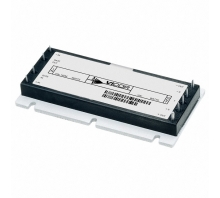
Vicor Corporation VI-23Y-CU-F4

Mfr.Part #:

VI-23Y-CU-F4

Manufacturer:

Description:
CONVERTER MOD DC/DC 3.3V 132W

RoHS Status:

RoHS

Datasheet:

Payment:

Payment

Delivery:

Delivery

Quick Request Quote

Do you want a lower wholesale price? Please send us an inquiry, and we will respond immediately.

Latest Posts

A switch solenoid converts electrical energy into mechanical movement by using a simple principle:...
Voltage controlled oscillator takes a voltage (like from a battery) and turns it into...
Types of computer cables: USB cables, HDMI cables, Ethernet cables, power cables,VGA and display
A potentiometer is like a dimmer switch for electronic devices - it controls the...
Security

Buy With Confidence

ISO 9001
ISO 9001
ISO 45001
ISO 45001
ISO 13485
ISO 13485
ISO 14001
ISO 14001
SMTA
ASA

Specifications

Product Details

Product Comparison

Factory Lead Time
16 Weeks
Mount
Through Hole
Mounting Type

Mounting Type refers to the method by which an electronic component is attached to a printed circuit board (PCB) or other surface. Common mounting types include: * Through-hole: Component leads are inserted into holes in the PCB and soldered on the other side. * Surface-mount: Component is placed on the surface of the PCB and soldered in place. * Press-fit: Component is pressed into place on the PCB without soldering. * Socket: Component is inserted into a socket on the PCB, allowing for easy replacement. The mounting type is determined by factors such as the component's size, shape, and power requirements.

Through Hole
Package / Case

Package / Case refers to the physical housing or enclosure that encapsulates an electronic component. It provides protection, facilitates handling, and enables electrical connections. The package type determines the component's size, shape, pin configuration, and mounting options. Common package types include DIP (dual in-line package), SOIC (small outline integrated circuit), and BGA (ball grid array). The package also influences the component's thermal and electrical performance.

Full Brick
Operating Temperature

Operating Temperature is the range of temperatures at which an electronic component can function properly. It is typically specified in degrees Celsius (°C) and indicates the minimum and maximum temperatures at which the component can operate without experiencing damage or degradation. Operating Temperature is an important parameter to consider when designing electronic circuits, as it ensures that the components will function reliably in the intended operating environment.

-25°C~85°C
Packaging
Bulk
Series

Series, in the context of electronic components, refers to the arrangement of components in a circuit. When components are connected in series, they form a single path for current to flow through. The total resistance of a series circuit is the sum of the individual resistances of each component. Series connections are often used to control the flow of current in a circuit, as the total resistance can be adjusted by changing the number or type of components in the series.

VI-200™ (200W)
Published
2013
Size / Dimension
4.60Lx1.86W x 1.05 H 116.8mmx47.2mmx26.7mm
JESD-609 Code
e0
Feature
OCP, OTP, OVP, SCP
Pbfree Code
no
Part Status

Part Status is an electronic component parameter that indicates the availability and production status of a component. It is typically used to inform customers about the availability of a component, whether it is in production, end-of-life, or obsolete. Part Status can also provide information about any restrictions or limitations on the component's use, such as whether it is only available for certain applications or if it has been discontinued.

Active
Moisture Sensitivity Level (MSL)

Moisture Sensitivity Level (MSL) is a measure of the susceptibility of a surface mount electronic component to moisture-induced damage during soldering. It is classified into six levels, from 1 (least sensitive) to 6 (most sensitive). MSL is determined by the materials used in the component's construction, including the solderability of its terminals and the presence of moisture-absorbing materials. Components with higher MSL ratings require more stringent handling and storage conditions to prevent moisture absorption and subsequent damage during soldering.

Not Applicable
Number of Terminations
9
ECCN Code
EAR99
Terminal Finish
TIN LEAD OVER COPPER
Applications
ITE (Commercial)
Power (Watts)

Power (Watts) is a measure of the rate at which electrical energy is transferred or consumed. In electronic components, it represents the maximum amount of power that the component can handle without being damaged. It is typically expressed in watts (W) and is determined by factors such as the component's voltage and current ratings, as well as its physical design and materials. Understanding the power rating of a component is crucial for ensuring its safe and reliable operation within a circuit.

132W
Max Power Dissipation
132W
Technology

Technology, in the context of electronic components, refers to the specific manufacturing process and materials used to create the component. It encompasses the semiconductor fabrication techniques, such as the type of transistor used (e.g., MOSFET, BJT), the gate oxide thickness, and the interconnect materials. Technology also includes the packaging type, such as surface mount or through-hole, and the leadframe or substrate material. The technology used impacts the component's performance characteristics, such as speed, power consumption, and reliability.

HYBRID
Terminal Position
DUAL
Terminal Form
PIN/PEG
Peak Reflow Temperature (Cel)
NOT SPECIFIED
Number of Functions
1
Time@Peak Reflow Temperature-Max (s)
NOT SPECIFIED
Pin Count
9
JESD-30 Code
R-XDMA-P9
Number of Outputs

Number of Outputs refers to the number of independent output signals or channels that an electronic component can provide. It indicates the capability of the component to drive multiple external devices or circuits simultaneously. A higher number of outputs allows for greater flexibility and connectivity in electronic systems.

1
Qualification Status
Not Qualified
Approval Agency
UL; CE; VDE; CSA; TUV; BABT
Efficiency
90%
Voltage - Isolation

Voltage - Isolation refers to the maximum voltage that can be applied between two points in an electronic component without causing electrical breakdown. It is a measure of the component's ability to withstand high voltages without allowing current to flow between the points. A higher voltage isolation rating indicates that the component can withstand higher voltages without failing.

3kV
Voltage - Input (Max)
60V
Output Voltage

Output Voltage is the voltage level produced by an electronic component when it is operating. It is typically measured in volts (V) and can be either positive or negative. The output voltage of a component is determined by its design and the input voltage applied to it. For example, a voltage regulator will produce a fixed output voltage regardless of the input voltage, while an amplifier will produce an output voltage that is proportional to the input voltage.

3.3V
Max Output Current
40A
Voltage - Output 1
3.3V
Voltage - Input (Min)
42V
Input Voltage-Nom
48V
Trim/Adjustable Output
YES
Protections
THERMAL; CURRENT; OUTPUT OVER VOLTAGE
Height

Height, in the context of electronic components, refers to the vertical dimension of the component. It is typically measured in millimeters (mm) or inches (in). Height is an important parameter to consider when designing and assembling electronic circuits, as it affects the overall size and form factor of the device. Components with a smaller height are often preferred for applications where space is limited, such as in portable devices or embedded systems.

26.67mm
RoHS Status
Non-RoHS Compliant
part No. VI-23Y-CU-F4 Is this available? : YesShipped from : HK warehouseSame model may have different manufacturers, images only for reference.
VI-23Y-CU-F4 More Descriptions
DC DC CONVERTER 3.3V 132W
  • Image
    Part Number
    Manufacturer
    Factory Lead Time
    Mount
    Mounting Type
    Package / Case
    Operating Temperature
    Packaging
    Series
    Published
    Size / Dimension
    JESD-609 Code
    Feature
    Pbfree Code
    Part Status
    Moisture Sensitivity Level (MSL)
    Number of Terminations
    ECCN Code
    Terminal Finish
    Applications
    Power (Watts)
    Max Power Dissipation
    Technology
    Terminal Position
    Terminal Form
    Peak Reflow Temperature (Cel)
    Number of Functions
    Time@Peak Reflow Temperature-Max (s)
    Pin Count
    JESD-30 Code
    Number of Outputs
    Qualification Status
    Approval Agency
    Efficiency
    Voltage - Isolation
    Voltage - Input (Max)
    Output Voltage
    Max Output Current
    Voltage - Output 1
    Voltage - Input (Min)
    Input Voltage-Nom
    Trim/Adjustable Output
    Protections
    Height
    RoHS Status
    View Compare
  • VI-23Y-CU-F4
    VI-23Y-CU-F4
    16 Weeks
    Through Hole
    Through Hole
    Full Brick
    -25°C~85°C
    Bulk
    VI-200™ (200W)
    2013
    4.60Lx1.86W x 1.05 H 116.8mmx47.2mmx26.7mm
    e0
    OCP, OTP, OVP, SCP
    no
    Active
    Not Applicable
    9
    EAR99
    TIN LEAD OVER COPPER
    ITE (Commercial)
    132W
    132W
    HYBRID
    DUAL
    PIN/PEG
    NOT SPECIFIED
    1
    NOT SPECIFIED
    9
    R-XDMA-P9
    1
    Not Qualified
    UL; CE; VDE; CSA; TUV; BABT
    90%
    3kV
    60V
    3.3V
    40A
    3.3V
    42V
    48V
    YES
    THERMAL; CURRENT; OUTPUT OVER VOLTAGE
    26.67mm
    Non-RoHS Compliant
    -
  • VI-24L-MU-F1
    -
    Through Hole
    Through Hole
    Full Brick
    -55°C~85°C
    Bulk
    VI-200™ (200W)
    2013
    4.60Lx1.86W x 0.79 H 116.8mmx47.2mmx20.1mm
    e0
    OCP, OTP, OVP, SCP
    no
    Active
    Not Applicable
    9
    EAR99
    TIN LEAD OVER COPPER
    ITE (Commercial)
    200W
    200W
    HYBRID
    DUAL
    PIN/PEG
    NOT SPECIFIED
    1
    NOT SPECIFIED
    -
    R-XDMA-P9
    1
    Not Qualified
    UL; CE; VDE; CSA; TUV; BABT
    90%
    3kV
    100V
    28V
    7.14A
    28V
    55V
    72V
    YES
    THERMAL; CURRENT; OUTPUT OVER VOLTAGE
    20.066mm
    Non-RoHS Compliant
  • VI-24L-MU-F4
    -
    Through Hole
    Through Hole
    Full Brick
    -55°C~85°C
    Bulk
    VI-200™ (200W)
    2013
    4.60Lx1.86W x 1.05 H 116.8mmx47.2mmx26.7mm
    e0
    OCP, OTP, OVP, SCP
    no
    Active
    Not Applicable
    9
    EAR99
    TIN LEAD OVER COPPER
    ITE (Commercial)
    200W
    200W
    HYBRID
    DUAL
    PIN/PEG
    NOT SPECIFIED
    1
    NOT SPECIFIED
    9
    R-XDMA-P9
    1
    Not Qualified
    UL; CE; VDE; CSA; TUV; BABT
    90%
    3kV
    100V
    28V
    7.14A
    28V
    55V
    72V
    YES
    THERMAL; CURRENT; OUTPUT OVER VOLTAGE
    26.67mm
    Non-RoHS Compliant

Recommended Offers

Infineon Technologies
IRIS4013
Texas Instruments
TPS65290LMRHFT
Texas Instruments
LM9830VJD/NOPB
Microchip Technology
ATECC108A-MXHDA-T
NXP USA Inc.
MPC9350FA
Analog Devices Inc.
AD7248AAPZ
Microchip Technology
PIC16F1614-E/P
Microchip Technology
PIC16HV753-E/ML
Microchip Technology
ATSAMD21G16B-MF
Microchip Technology
PIC18F23K20T-I/SS