Mounting Type
Mounting Type refers to the method by which an electronic component is attached to a printed circuit board (PCB) or other surface. Common mounting types include:
* Through-hole: Component leads are inserted into holes in the PCB and soldered on the other side.
* Surface-mount: Component is placed on the surface of the PCB and soldered in place.
* Press-fit: Component is pressed into place on the PCB without soldering.
* Socket: Component is inserted into a socket on the PCB, allowing for easy replacement.
The mounting type is determined by factors such as the component's size, shape, and power requirements.
Surface Mount
Package / Case
Package / Case refers to the physical housing or enclosure that encapsulates an electronic component. It provides protection, facilitates handling, and enables electrical connections. The package type determines the component's size, shape, pin configuration, and mounting options. Common package types include DIP (dual in-line package), SOIC (small outline integrated circuit), and BGA (ball grid array). The package also influences the component's thermal and electrical performance.
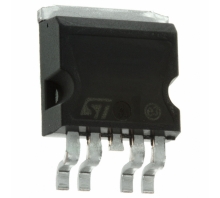
P2PAK (4 Leads Tab)
Number of Pins
Number of Pins: Indicates the number of electrical connections available on the component. These pins are used to connect the component to other components or circuits on a printed circuit board (PCB). The number of pins determines the functionality and connectivity options of the component. It is important to ensure that the component has the correct number of pins for the intended application.
5
Operating Temperature
Operating Temperature is the range of temperatures at which an electronic component can function properly. It is typically specified in degrees Celsius (°C) and indicates the minimum and maximum temperatures at which the component can operate without experiencing damage or degradation. Operating Temperature is an important parameter to consider when designing electronic circuits, as it ensures that the components will function reliably in the intended operating environment.
-40°C~150°C TJ
Packaging
Tape & Reel (TR)
Series
Series, in the context of electronic components, refers to the arrangement of components in a circuit. When components are connected in series, they form a single path for current to flow through. The total resistance of a series circuit is the sum of the individual resistances of each component. Series connections are often used to control the flow of current in a circuit, as the total resistance can be adjusted by changing the number or type of components in the series.
VIPower™
Part Status
Part Status is an electronic component parameter that indicates the availability and production status of a component. It is typically used to inform customers about the availability of a component, whether it is in production, end-of-life, or obsolete. Part Status can also provide information about any restrictions or limitations on the component's use, such as whether it is only available for certain applications or if it has been discontinued.
Obsolete
Moisture Sensitivity Level (MSL)
Moisture Sensitivity Level (MSL) is a measure of the susceptibility of a surface mount electronic component to moisture-induced damage during soldering. It is classified into six levels, from 1 (least sensitive) to 6 (most sensitive). MSL is determined by the materials used in the component's construction, including the solderability of its terminals and the presence of moisture-absorbing materials. Components with higher MSL ratings require more stringent handling and storage conditions to prevent moisture absorption and subsequent damage during soldering.
3 (168 Hours)
Terminal Finish
Tin/Lead (Sn/Pb)
Subcategory
Peripheral Drivers
Max Power Dissipation
96.1W
Technology
Technology, in the context of electronic components, refers to the specific manufacturing process and materials used to create the component. It encompasses the semiconductor fabrication techniques, such as the type of transistor used (e.g., MOSFET, BJT), the gate oxide thickness, and the interconnect materials. Technology also includes the packaging type, such as surface mount or through-hole, and the leadframe or substrate material. The technology used impacts the component's performance characteristics, such as speed, power consumption, and reliability.
MOS
Supply Voltage
Supply Voltage is the voltage required to power an electronic component. It is typically measured in volts (V) and is specified in the component's datasheet. The supply voltage must be within the specified range for the component to function properly. If the supply voltage is too low, the component may not function at all. If the supply voltage is too high, the component may be damaged.
13V
Number of Outputs
Number of Outputs refers to the number of independent output signals or channels that an electronic component can provide. It indicates the capability of the component to drive multiple external devices or circuits simultaneously. A higher number of outputs allows for greater flexibility and connectivity in electronic systems.
1
Output Type
Output type refers to the type of signal or power that an electronic component can produce. It can be analog or digital, AC or DC, and can vary in voltage, current, or power levels. The output type is determined by the component's design and is crucial for matching it with other components in a circuit. Understanding the output type ensures proper signal processing, power delivery, and overall system functionality.
N-Channel
Operating Supply Voltage
41V
Supply Voltage-Max (Vsup)
36V
Interface
In electronics, an interface refers to the connection point or boundary between two or more electronic systems or devices. It defines the physical, electrical, and logical characteristics that enable communication and data exchange between them.
An interface specifies the protocols, pinouts, voltage levels, data formats, and other parameters necessary for the systems to interact seamlessly. It ensures compatibility and interoperability between different components or devices, allowing them to exchange information and perform their intended functions.
On/Off
Nominal Supply Current
25mA
Output Configuration
Output Configuration refers to the arrangement of output terminals or pins on an electronic component. It specifies the number, type, and arrangement of these terminals, allowing for various connection options. This parameter is crucial for determining the component's compatibility with other devices and ensuring proper signal flow within a circuit.
High Side
Power Dissipation
Power Dissipation is the maximum amount of power that an electronic component can safely dissipate without being damaged. It is typically measured in watts (W) and is determined by the component's physical size, material properties, and design. Exceeding the power dissipation rating can lead to overheating, reduced performance, and even component failure.
96.1W
Output Current
Output Current is the maximum amount of current that an electronic component can deliver to a load without exceeding its specified operating limits. It is typically measured in amperes (A) or milliamperes (mA). Output Current is a critical parameter for selecting electronic components, as it determines the amount of power that the component can provide to a load.
30A
Voltage - Supply (Vcc/Vdd)
Not Required
Input Type
Input Type refers to the type of signal that an electronic component can accept as input.
Non-Inverting
Switch Type
Switch Type refers to the type of switching mechanism used in an electronic switch. It indicates the technology or design employed to control the flow of electrical signals or power.
General Purpose
Fault Protection
Fault Protection is an electronic component parameter that indicates the component's ability to withstand and protect against electrical faults or abnormal conditions. It specifies the maximum fault current or voltage that the component can safely handle without sustaining damage or compromising its functionality. This parameter is crucial for ensuring the reliability and safety of electronic systems by preventing catastrophic failures and protecting sensitive components from damage.
Current Limiting (Fixed), Over Temperature, Over Voltage
Output Peak Current Limit-Nom
45A
Built-in Protections
TRANSIENT; OVER CURRENT; OVER VOLTAGE; THERMAL; UNDER VOLTAGE
RoHS Status
ROHS3 Compliant
VN920-B513TR Overview
STMicroelectronics is a well-known brand in the electronics industry. One of their products, the VN920, falls under the category of PMIC - Power Distribution Switches, Load Drivers. This chip has a maximum power dissipation of 96.1W and operates on an input voltage of 41V. Its interface is On/Off and the output configuration is High Side. The chip also has various built-in protections, including TRANSIENT, OVER CURRENT, OVER VOLTAGE, THERMAL, and UNDER VOLTAGE. Despite its impressive features, the VN920 is now considered obsolete, with a Pbfree Code of no.
VN920-B513TR Features
Supplied from 13V
VN920-B513TR Applications
There are a lot of STMicroelectronics VN920-B513TR Power Switches ICs applications.
PC Card Hot Swap
Portable/Handheld Devices
Notebook and Tablet Computers
Hot Swaps
Wireless Headsets
Portable GPS
Smartphone and PDA
Portable Music Players
Wearable Devices
Low Voltage I/O System Power
VN920-B513TR More Descriptions
Buffer/Inverter Based Peripheral Driver, 1 Driver, 45A, MOS, PSSO4
Single-channel high-side solid-state relay
Power Switch Hi Side 30A 5-Pin(4 Tab) P2PAK T/R
High/Low Side Drivers 30A 36V High Side
IC PWR DRIVER N-CHAN 1:1 P2PAK
Tape & Reel (TR) VN920 Current Limiting (Fixed) Over Temperature Over Voltage e0 power distribution switch 41V 30A 96.1W 16m Ohm (Max)